

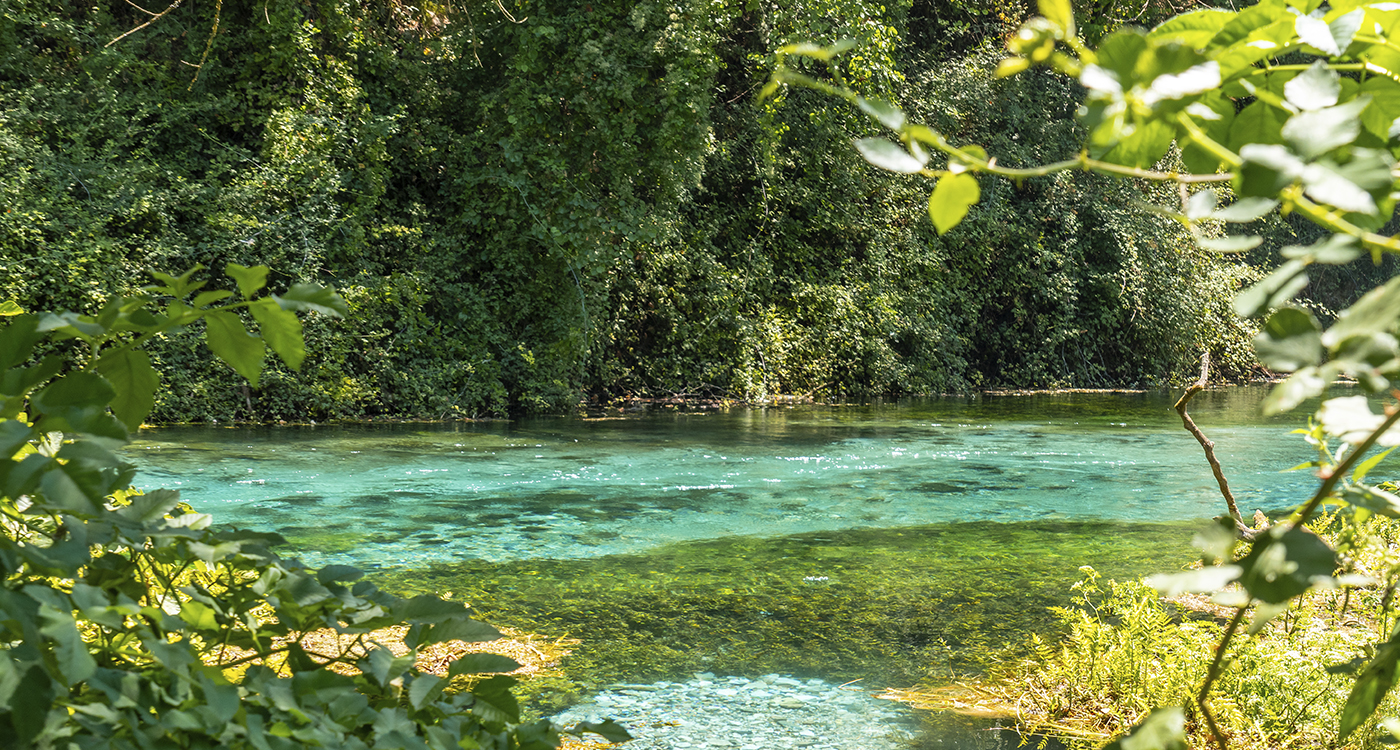
The Catemaco and Los Tuxtlas region in southern Veracruz combines volcanic landscapes, tropical forests, lakes, waterfalls, traditional towns, and traces of Mesoamerican history. The area around Catemaco is known for its setting, while communities show fishing traditions, local crafts, religious culture, and the ancient heritage of the Olmec civilization.
Catemaco and the Landscape of Los Tuxtlas
Los Tuxtlas is a green region in southern Veracruz. Its landscape was shaped by volcanic activity, and several hills have rounded or cone–like forms. Tropical vegetation covers large parts of the area. Forests, wetlands, lakes, and small communities create a landscape different from the urban areas farther north.
Lake Catemaco is a geographical feature of the region. The lake has an almost circular form and is surrounded by hills covered with vegetation. Its shoreline extends for about 51 kilometers, while the lake is around 9 kilometers across. These dimensions make it one of the inland waters of Veracruz.
The lake supports a natural environment. Islands provide places where monkeys can be observed, while nearby vegetation attracts many tropical birds. A boat trip on the lake can show the relationship between water, forest, and wildlife.
Catemaco developed beside the lake. Its streets rise from the waterfront toward the center of town, and some areas have views across the water. The Malecón is a public space for walking and observing the lake. The town also has cultural landmarks, including the Church of the Virgin Carmen.
Natural Places Around Catemaco
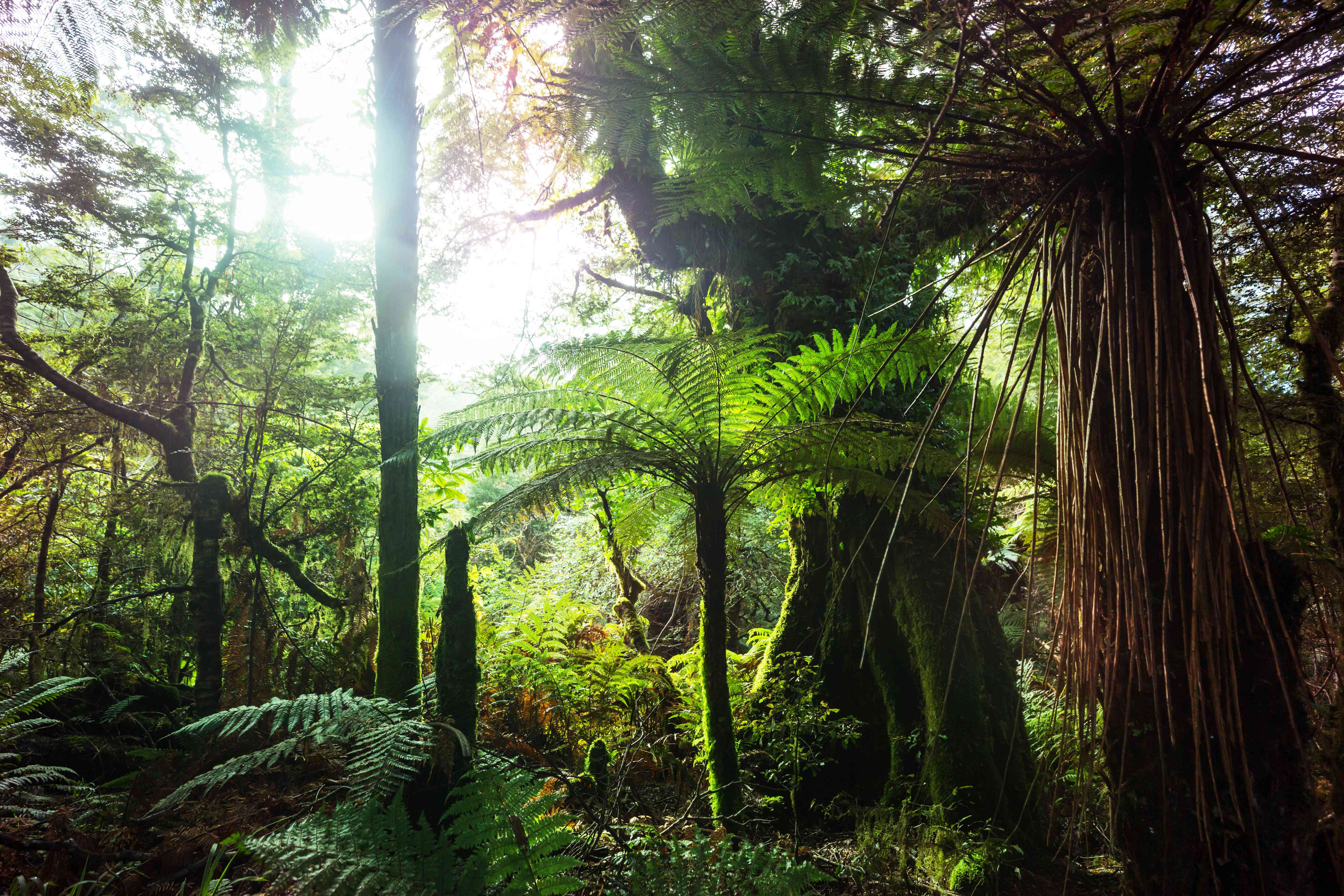
The surroundings of Catemaco contain locations where the tropical character of Los Tuxtlas can be seen closely. One is the Nanciyaga tropical nature reserve. The reserve presents local vegetation and provides an example of how forest environments can be used for environmental education and nature observation.
A walk through a protected landscape can show different layers of tropical vegetation. Trees form the higher part of the forest, while smaller plants and vines occupy lower areas. Humidity, warm temperatures, and rainfall help maintain the dense green appearance typical of the region.
Another site is Salto de Eyipantla. This large waterfall is one of the best–known scenic places in Los Tuxtlas. Water falls from a high rocky edge into a lower basin, creating a strong contrast between moving water and surrounding green vegetation.
The waterfall has two main viewing perspectives. From the upper area, visitors can look toward the edge and landscape below. A lower viewpoint gives a closer impression of the falling water. The stairs between the viewpoints are numerous, so reaching the lower perspective requires physical effort.
The natural environment of Los Tuxtlas can be described through several visible elements:
- Volcanic hills covered by tropical vegetation
- Freshwater environments such as Lake Catemaco
- Waterfalls, forest areas, and humid lowland landscapes
- Islands that provide habitat for monkeys and birds
These features are connected rather than isolated. The lake, forest, volcanic landforms, and settlements form one regional landscape.
Wildlife and Environmental Setting
Birdlife around Lake Catemaco and other wet environments can be observed. 6. Tropical birds forage and rest in trees, on shore, and on islands. On some islands you can also see monkeys. Wildlife viewing is dependent on the conditions of nature, and animals may not always be in the same places.
It is related to the Los Tuxtlas Biosphere Reserve, a protected area created to protect tropical ecosystems. Its forests are rich in plant species and host a variety of animals. Protection is therefore important, because tropical landscapes can change rapidly when forests are cleared or land is heavily developed.
Local Culture, Fishing, and Traditional Life
The cultural side of the region begins in communities such as Alvarado. The town is closely connected with fishing and coastal life. Its fish market provides a view of this local economy, where freshly caught fish are brought from the water and prepared for sale.
Fishing traditions are part of the identity of many communities in Veracruz. Markets also show how food, work and local geography are connected. Fish arriving at the market reflects the relationship between nearby waters and everyday life.
Cigar hand production is another traditional activity of the area. In a cigar workshop, tobacco leaves can be selected, shaped, rolled, and packaged by hand. It takes practiced movements and an eye for form. This craft is an example of local manufacture based on manual skill.
Another cultural setting is that of Catemaco. Its main elements are religious buildings, shops, public spaces and streets used by the local population. The Church of the Virgin Carmen is a landmark that is easily identifiable. A malecón is a walk along the water, where you can find small shops with local products.
The regional cultural experience includes several connected elements:
- Fishing traditions visible in Alvarado and its market.
- Handcrafted cigar production as a local tobacco tradition.
- Religious heritage represented by the Church of the Virgin Carmen.
- Lakeside public life around Catemaco and the Malecón.
Olmec Heritage in Santiago Tuxtla
The history of Los Tuxtlas reaches much farther back than the modern towns. Santiago Tuxtla is associated with the Olmec civilization, one of the earliest major civilizations of Mesoamerica. The region contains archaeological evidence connected with this ancient culture.
One recognizable form of Olmec art is the monumental stone head. These large sculptures were carved from stone and represent human faces with distinctive features. Several examples have been discovered in the wider Gulf Coast region, an important area for Olmec history.
Santiago Tuxtla is known for one of the original gigantic Olmec heads discovered in the region. Seeing such a monument provides a direct connection with ancient Veracruz. The sculpture represents the technical skill, artistic ideas and social organization of a civilization that existed many centuries ago.