

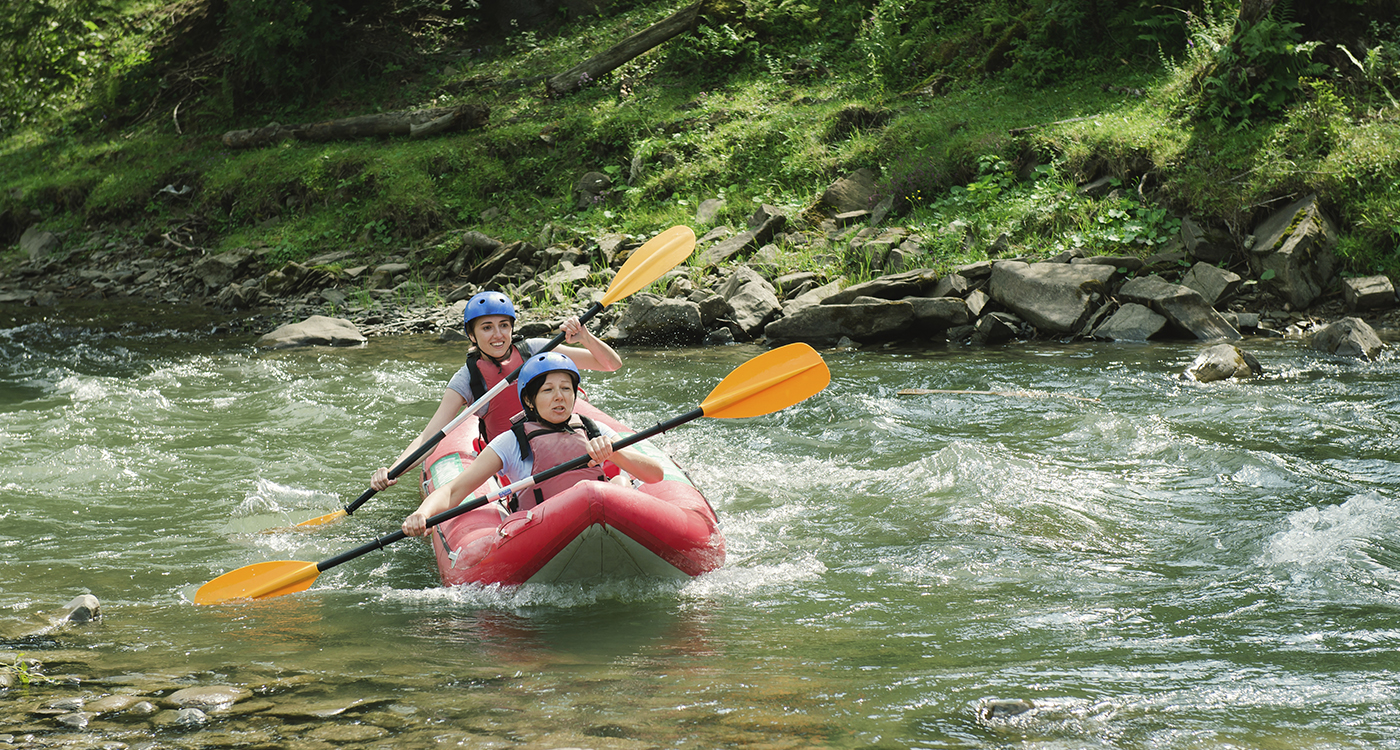
From coral reefs and coastal dunes to mountain trails, tropical forests, and waterfalls, Veracruz offers many settings for outdoor adventure. The state in eastern Mexico combines the Gulf coast with volcanic mountains and humid forest, creating places for rafting, snorkeling, hiking, cycling, paddling, climbing, and other activities in natural surroundings.
Coastal Adventures in Veracruz
Veracruz’s Gulf coast has a strong connection to water sports. In a cigar workshop, tobacco leaves can be selected, shaped, rolled, and packaged by hand. Reefs of coral off the city of Veracruz are within a protected underwater environment. The reefs are close to shore and afford opportunities to see marine life while snorkeling or diving.
The Veracruz Reef System is a protected area at the national level. Under the water we have coral formations, fish, and other marine life. The conditions are clear, so visitors can see the structure of the reef and the animals that live around it. This protected status also reflects the ecological value of these coastal waters.
Farther north, Playa Chachalacas has a very different landscape. The beach is bordered by large sand dunes that rise well above the flat coastal area. These dunes create a place for activities connected with sand and wind.
ATV riding is possible across beach areas and sandy terrain, while sandboarding uses the slopes of the dunes. The surface changes constantly because wind moves the sand. This makes dune landscapes different from fixed mountain trails or paved roads.
The coastal environment can include several types of outdoor activity:
- Snorkeling and diving around protected coral reefs
- ATV riding across beach and dune landscapes
- Sandboarding on steep sandy slopes
- Boat trips along coastal waters and islands
These activities also show the geographical variety of Veracruz. The coast is not only a beach environment. It contains reefs, dunes, fishing communities, wetlands, and marine habitats.
Rivers, Mountains, and Canyons
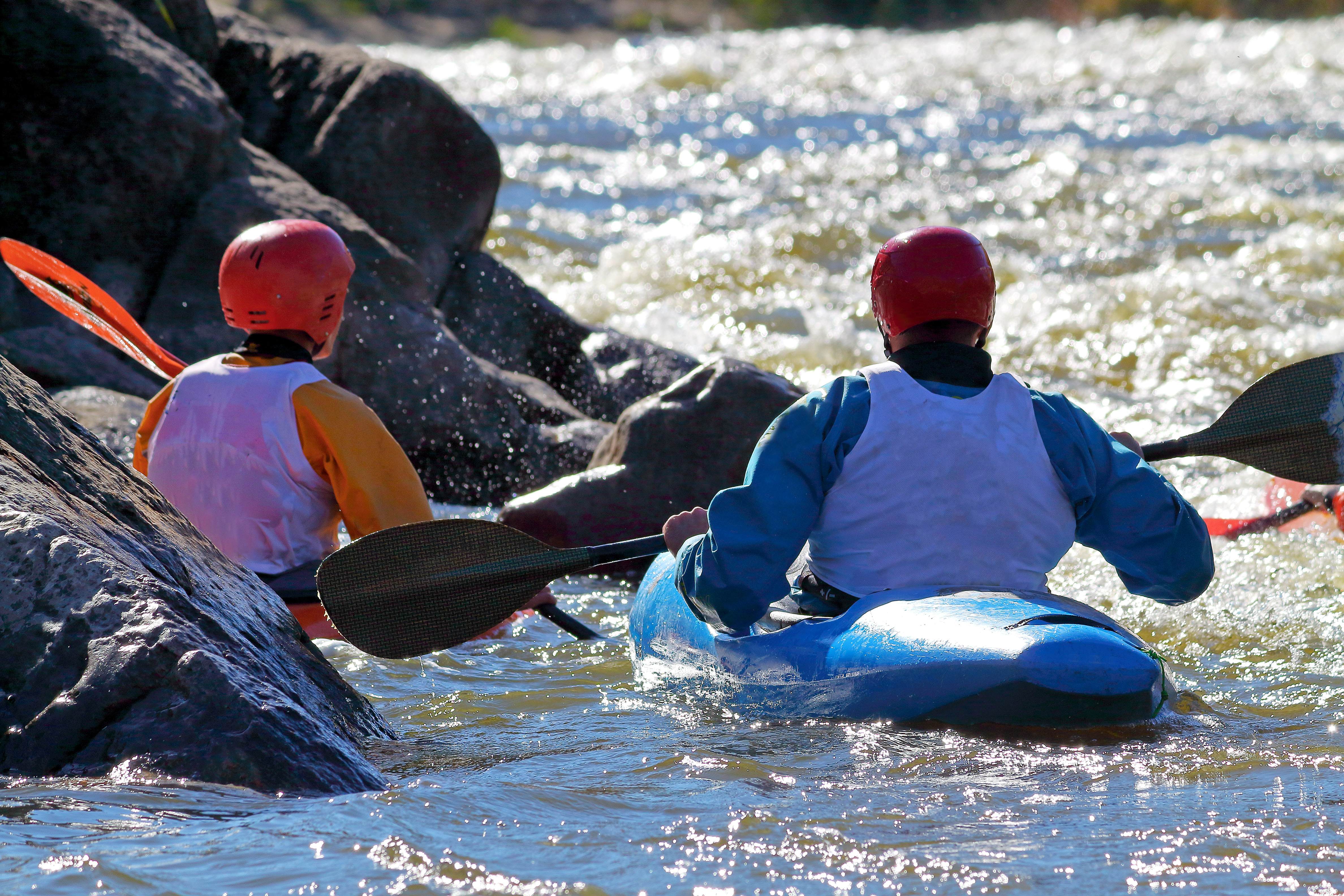
Moving inland, the landscape changes from coastal plains to mountains and river valleys. Jalcomulco is strongly associated with whitewater rafting. The nearby river contains rapids that range from moderate to more demanding sections, making the area known for river–based recreation.
Rafting uses the natural flow and shape of the river. Participants move through rapids while following the river channel between rocks and banks. Water levels can change with rainfall, so the character of a river can vary during the year.
Jalcomulco also has opportunities for ziplining above the river. The activity gives a different view of the valley and surrounding vegetation. The tropical climate keeps much of the landscape green for a large part of the year.
Another part of the region is connected with traditional Temascal ceremonies. A Temascal is a small structure where heated stones are used to create steam. Water is poured over the hot stones, producing a warm and humid environment.
Mountain Landscapes Around Pico de Orizaba
The mountains of central Veracruz provide another type of outdoor environment. Coscomatepec is located below Pico de Orizaba, the highest mountain in Mexico and one of the highest peaks in North America. Its summit reaches about 5,636 meters above sea level and has a glacier.
The lower mountain landscape is accessible through rough roads and trails. High altitude changes the conditions quickly. Air becomes thinner as elevation increases, temperatures can be lower, and physical activity requires more effort.
Mountain biking is another way to experience these landscapes. Downhill routes can follow rocky roads and mountain trails, with the surrounding slopes providing views over the region. Cycling at altitude requires control, attention to the surface and suitable equipment.
Canyoneering provides a different mountain experience. In canyon areas near Córdoba, trails can follow streams through narrow sections of rock. Participants may climb over stones, cross flowing water, and move through pools.
Waterfall rappelling is one of the characteristic activities in these canyons. A rope system allows a person to descend beside falling water. The pools below waterfalls can be cold, and their depth can change according to seasonal rainfall.
Tropical Forests and Lake Catemaco
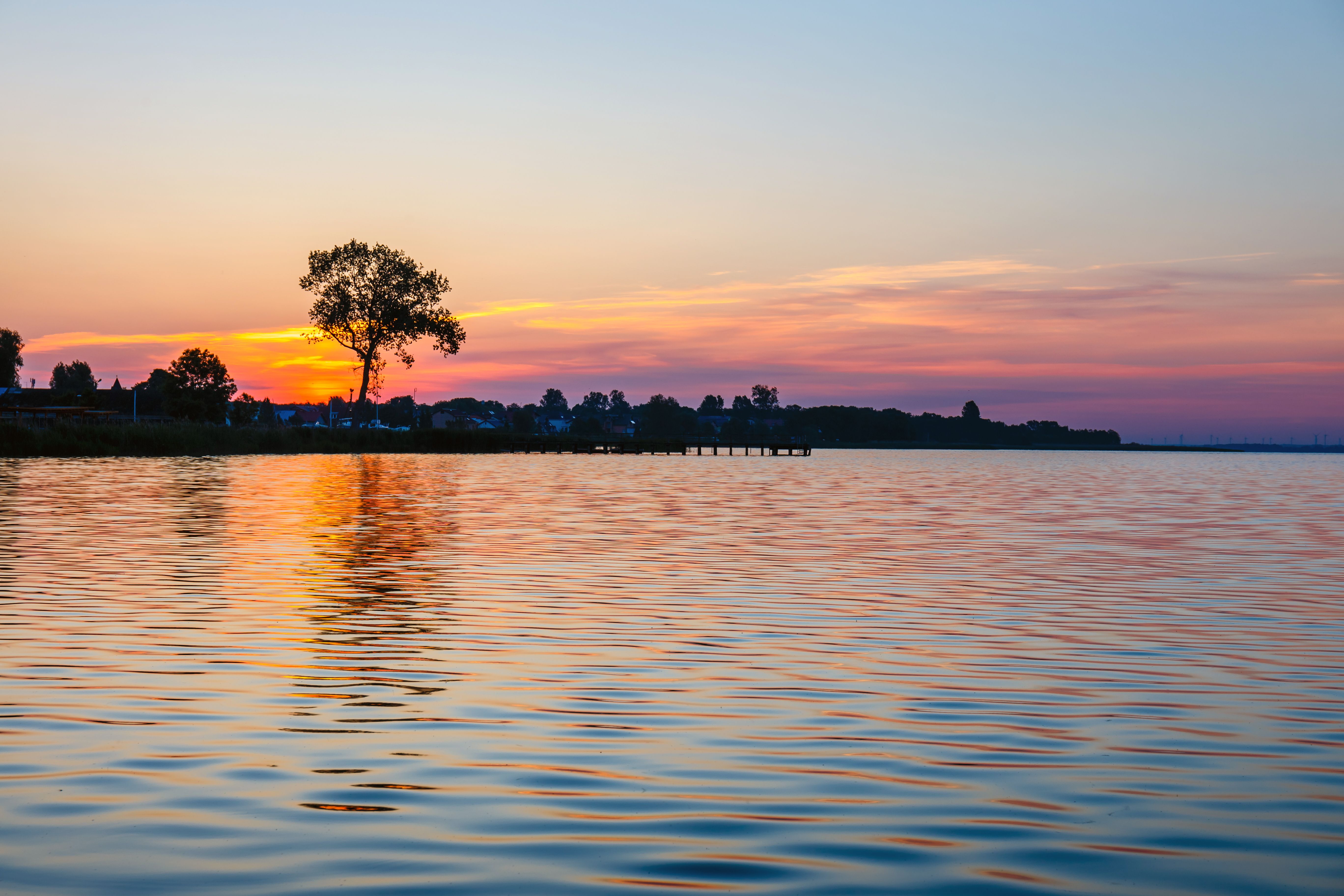
As you head toward the Los Tuxtlas region, Southern Veracruz becomes more tropical. In a cigar workshop, tobacco leaves can be selected, shaped, rolled, and packaged by hand. Volcanic hills, lakes and rivers, dense vegetation, and a good landscape for nature observation and active exploring.
One of the main geographical features is Lake Catemaco. The lake is almost circular in shape with a shoreline of some 51 km. Islands protrude out of the water with howler and spider monkeys.
Kayaking can be used to explore quieter parts of the lake. A small boat moves close to the water surface and allows observation of vegetation along the shore. Early morning can offer calmer water conditions, although weather and wind always influence the lake.
Boat travel is also useful for observing birds. Tropical species can be found around the shoreline and islands, where trees and wetland vegetation provide food and shelter.
The surrounding hills are of volcanic origin. Many are dormant volcanic formations covered with tropical vegetation. Horseback riding and hiking routes can enter these hills, offering views toward Lake Catemaco and the forest.
The natural environment around the lake:
- Tropical rainforest with dense vegetation and many plant species
- Volcanic hills surrounding the lake
- Islands where monkeys and birds can be observed
- Waterfalls and natural pools in nearby forest areas
- Rural communities connected with farming and traditional activities
Waterfalls and Forest Exploration
Waterfalls are common features of the southern Veracruz landscape. Streams moving through the tropical hills can form cascades where the land drops sharply. Some waterfalls end in natural pools surrounded by vegetation.
Swimming in these pools is possible at suitable locations when local conditions allow it. Water temperature can be cool even in a warm tropical climate. Rainfall can also change water depth and current strength, so conditions are not fixed throughout the year.
Hiking toward waterfalls can be part of the experience. Forest trails may cross uneven ground, streams, stones, and muddy sections. The vegetation can be dense, with trees, vines, ferns, and other tropical plants growing close together.