

Every autumn, Veracruz becomes a major passage route for migrating birds moving south through Mexico. The Veracruz River of Raptors is especially known for huge groups of hawks, kites, and vultures, while nearby forests, wetlands, mountains, and coastal habitats support many resident species and other migrants.
The Veracruz River of Raptors
The geography of Veracruz explains why bird migration can be seen so clearly here. The state lies between the Gulf of Mexico and the Sierra Madre Oriental. The coastal plain becomes relatively narrow in places, creating a natural route for birds traveling south.
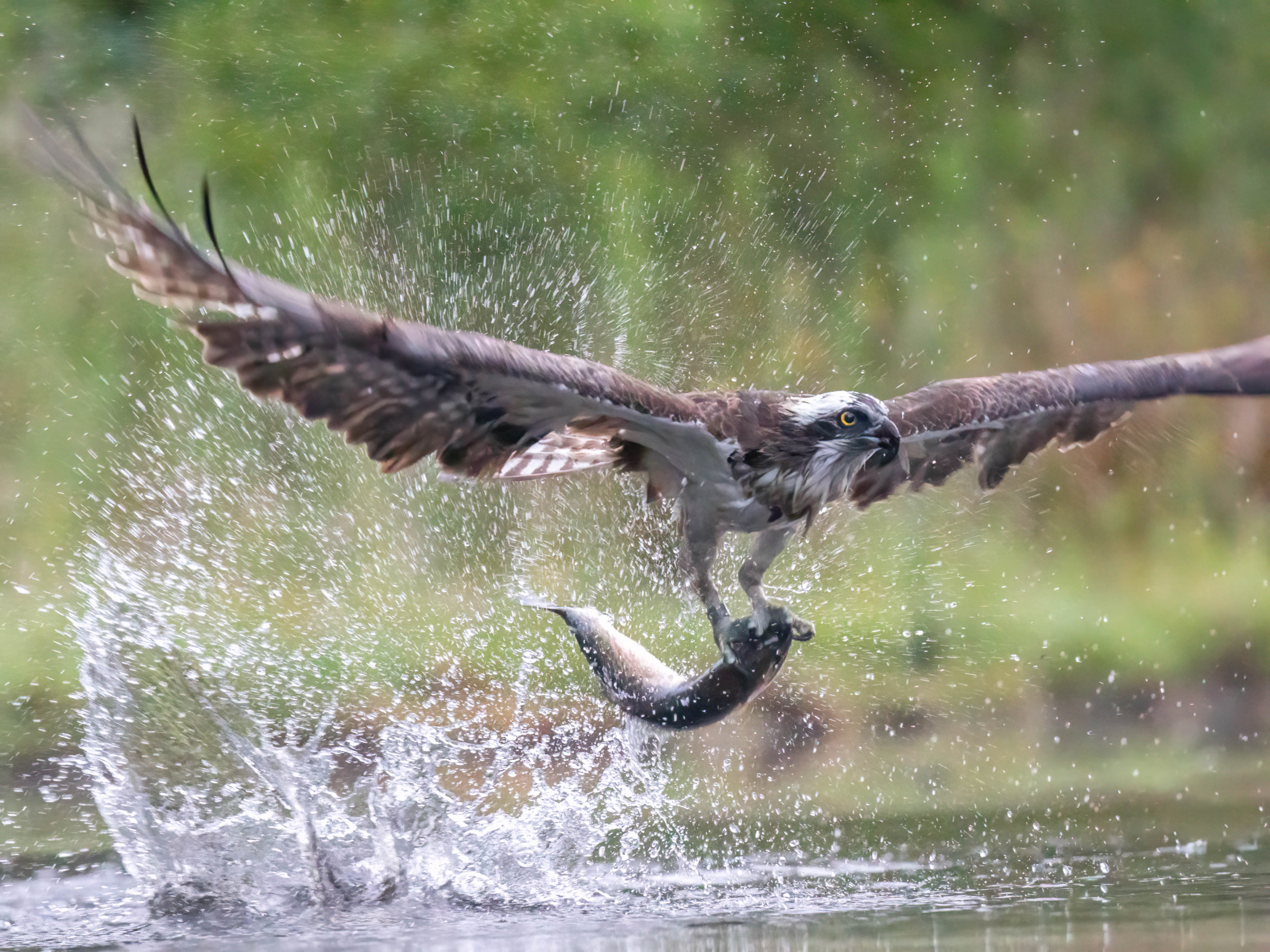
Raptors are especially visible because many species use rising warm air to travel with less energy. They circle inside columns of warm air and gain height. Several birds can gather in the same column, forming a large moving group called a kettle.
The annual migration includes millions of birds. Broad–winged Hawks and Swainson’s Hawks are among the most noticeable species, with combined numbers reported above two million individuals. Turkey Vultures also pass in very large numbers, with more than a million recorded during a season. Mississippi Kites can appear in especially large groups earlier in the migration period.
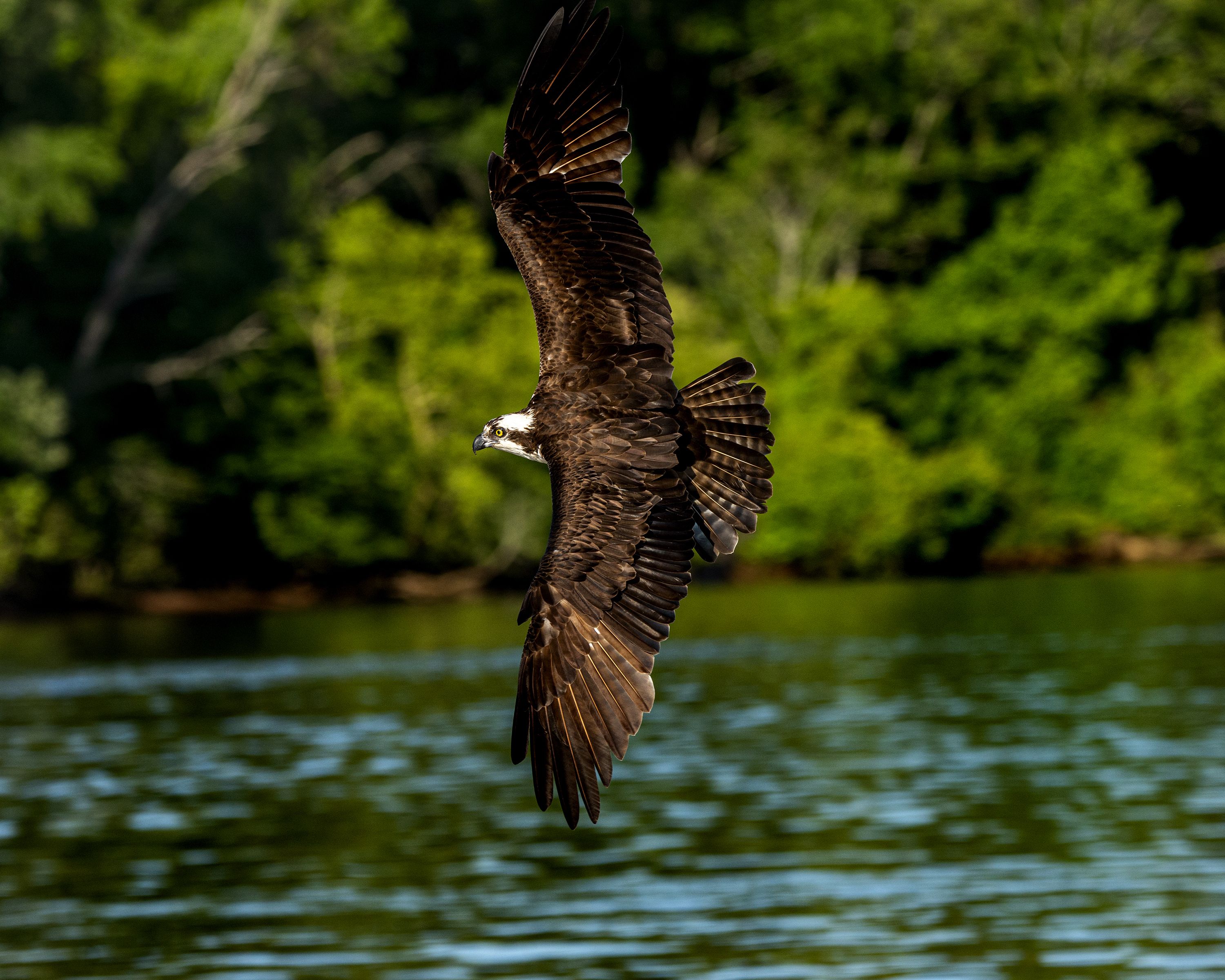
Other birds of prey add variety to the movement. Sharp–shinned Hawks, Hook–billed Kites, and other northern and tropical species can share the same sky.
More Than Raptors
The migration spectacle includes many other birds. Landbirds cross the coastal plain in large numbers, sometimes appearing as loose groups rather than the dense kettles seen with raptors. White–winged Doves, Scissor–tailed Flycatchers, warblers, icterids, Blue Grosbeaks, and Dickcissels are among the migrants that can be encountered.
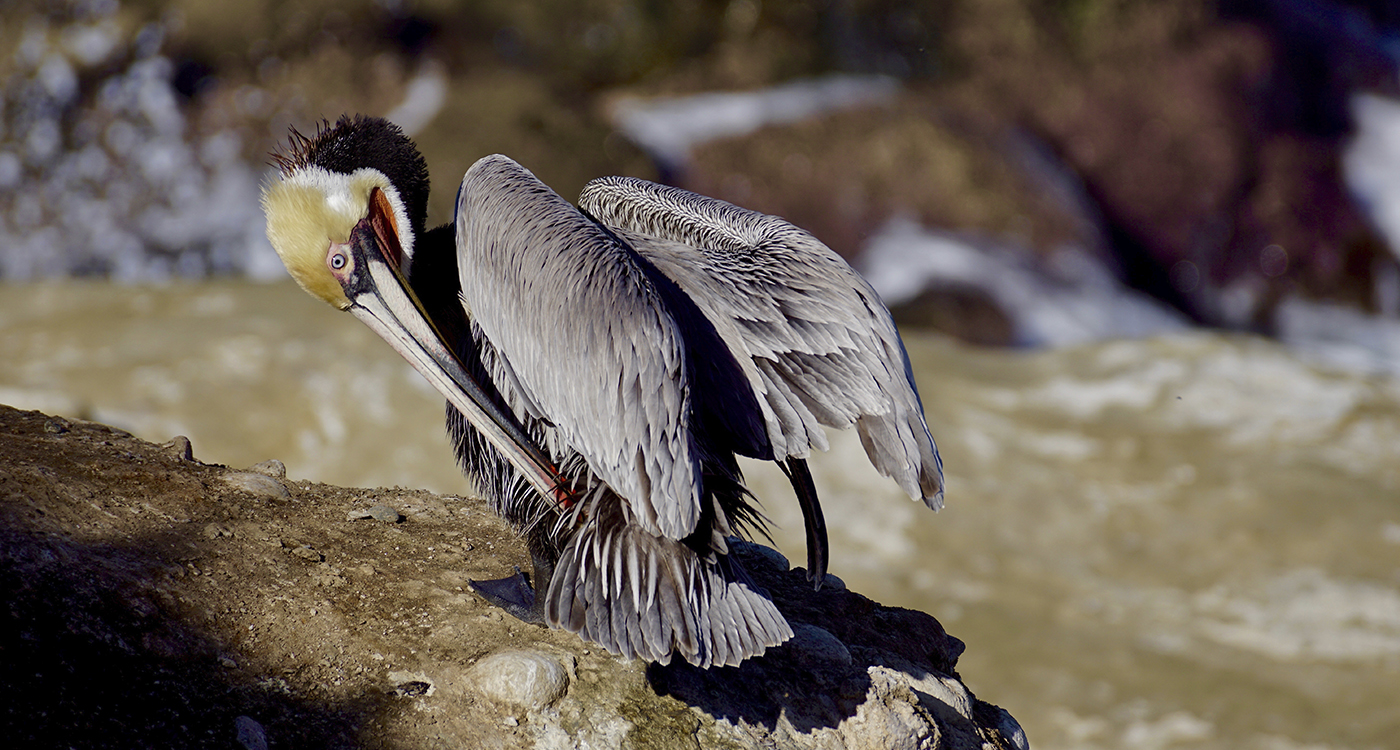
Waterbirds use a different part of the landscape. Marshes, coastal lagoons, rivers, and other wet areas provide resting and feeding places. Anhingas, White–faced Ibises, and American White Pelicans can occur in large groups.
Invertebrates also migrate through the same region. Millions of butterflies and dragonflies may move south during autumn. Migrating birds can feed on these insects, creating visible connections between different groups of animals.
Several major groups can be observed during the autumn passage:
- Raptors such as Broad–winged Hawks, Swainson’s Hawks, Turkey Vultures, and Mississippi Kites.
- Landbirds including warblers, doves, flycatchers, and seedeaters.
- Waterbirds using marshes, lagoons, rivers, and coastal habitats.
- Migrating butterflies and dragonflies that provide additional food for birds.
Watching Migration in Different Landscapes
The productive places are not identical in habitat or elevation. Lowland sites can include dry forest, grassland, marsh, and coastal lagoon. These environments attract different birds and give migrants places to rest and feed.
Around Xalapa, pine and oak forests, mountain slopes, and drier valleys create habitats for species less common on the coastal plain. Waterfalls also provide birding areas.
Elevation is one reason Veracruz supports a wide range of species. Birding can extend from areas close to sea level to mountain locations around 3,000 meters. Each elevation zone has its own combination of plants, climate, and birds.
Highland Birds Around Xalapa
Some highland birds have limited distributions in Mexico. Mexican Sheartail, Bumblebee Hummingbird, Strickland’s Woodpecker, Gray–barred Wren, Russet Nightingale–Thrush, Red Warbler, Striped Sparrow, Transvolcanic Jay, Ocellated Thrasher, and Bearded Wood–Partridge are examples of species associated with this region.
Mexican endemics are useful for understanding the country’s bird diversity. An endemic species has a natural distribution restricted to a particular geographic area. Mexico contains many such birds because its mountains, forests, deserts, and tropical regions have different ecological conditions.
Lowland Habitats and Coastal Areas
The coastal plain of Veracruz contains several habitats. Dry forests support birds adapted to warmer conditions, while marshes and lagoons provide different resources.
Coastal lagoons are useful for waterbirds. Shallow water provides feeding areas, while vegetation along the edges offers shelter. Grasslands can attract seed–eating birds and species that hunt insects close to the ground.
Rivers also connect different ecosystems. Their vegetation can create corridors through agricultural or developed areas. These green spaces can be useful to resident birds and migrants during seasonal movement.
Habitat diversity is one reason bird observation in Veracruz is not limited to the famous raptor migration. A person may see large soaring birds over open land and then move into forest or wetland areas where smaller species dominate.
Ancient Sites and Cultural Landscapes
Bird observation in Veracruz can also include places with long human histories. The archaeological site of Quiahuiztlan is one example. Its remains are connected with pre–Hispanic cultures of the Gulf Coast and show how people lived in this region before European colonization.
The Antigua River is also historically important. It is associated with the early arrival of Spanish conquistadores on the mainland of the Americas.
Veracruz cuisine also reflects coastal and inland influences, with seafood, local produce, and corn–based foods common in the region.
Why Veracruz Has Exceptional Bird Diversity
Veracruz is considered one of Mexico’s most bird–diverse states. Its position along a major migration route is only one reason. The state contains a broad elevation range and many different ecosystems.
The combination includes:
- Gulf coastal environments and lagoons.
- Lowland tropical and dry forests.
- Grasslands, marshes, and river habitats.
- Pine–oak highlands and mountain valleys.
- Volcanic landscapes around Xalapa.
Each environment contributes different species to the regional total. A bird that depends on wetlands may rarely appear in a high pine forest, while a mountain specialist may not occur on the coastal plain.